
Everything You Need to Know About the China US Phase One Deal
Everything You Need to Know About the China US Phase One Deal the global economy has always been shaped by trade agreements, which serve as the backbone of international relations and commerce. One of the most significant developments in recent history is the China US Phase One trade deal tariffs, a landmark agreement between the two largest economies in the world. The deal, signed in January 2020, was intended to de-escalate the trade war that had been raging for nearly two years and set the stage for a new era in US-China relations. This article provides a comprehensive look at the China US Phase One trade deal tariffs, how they came about, what they entail, and the implications for businesses and consumers worldwide.
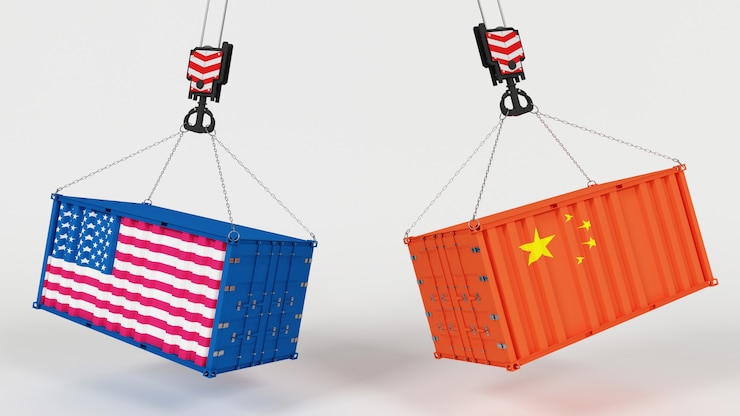
Background of the Trade War
The US-China trade war began in earnest in 2018 when the United States imposed tariffs on Chinese goods in response to perceived unfair trade practices, including intellectual property theft, forced technology transfers, and market access restrictions. China retaliated with its own tariffs on US products, which led to an escalating cycle of trade barriers between the two nations. The tariffs, which affected billions of dollars in goods, led to significant economic disruption, not only between the US and China but also globally, as other nations were caught in the crossfire.
At the heart of the dispute was a desire to rebalance trade relations between the two countries. The United States had a large trade deficit with China, and President Donald Trump, who had made tackling this issue a central part of his agenda, believed that tariffs would force China to make significant concessions. Over time, the tariffs escalated, with both sides imposing higher duties on an increasing number of products, disrupting global supply chains and damaging industries from agriculture to technology.
The Road to the Phase One Deal
By the end of 2019, the US and China were facing mounting economic pressure. The tariffs were affecting businesses, consumers, and the broader economy, and both sides recognized the need for a resolution. The Phase One deal was seen as an attempt to mitigate the most harmful effects of the trade war and lay the foundation for a broader, more comprehensive agreement.
Negotiations between the two countries were intense, with both sides seeking to secure favorable terms. The United States was particularly focused on addressing issues related to intellectual property theft, forced technology transfers, and market access. China, on the other hand, sought to alleviate the economic burden of the tariffs and ensure that its interests in key sectors such as agriculture, technology, and manufacturing were protected.
The China US Phase One trade deal tariffs were the result of these negotiations, with both sides agreeing to a partial rollback of existing tariffs in exchange for concessions on trade and economic policy.
Key Provisions of the Phase One Deal
The China US Phase One trade deal tariffs consisted of several key provisions that aimed to address the most pressing issues in the trade relationship between the two nations. The deal was not a comprehensive resolution of all trade issues between the US and China but rather a step toward de-escalating tensions and building trust. The main elements of the agreement included:
1. Tariff Reductions and Suspensions
One of the most significant aspects of the China US Phase One trade deal tariffs was the reduction of existing tariffs. The United States agreed to cut tariffs on Chinese goods worth $120 billion from 15% to 7.5%, while China agreed to maintain tariffs on US goods. However, the deal did not result in the complete elimination of tariffs, and some levies on Chinese products remained in place.
In addition to the reduction of tariffs, both countries agreed to suspend further tariff increases. This was a crucial step toward stabilizing the global economy and signaling a de-escalation of the trade conflict.
2. Commitments on Intellectual Property
The United States had long accused China of intellectual property theft and unfair practices regarding technology transfers. As part of the Phase One deal, China made commitments to strengthen the protection of intellectual property rights, including patents, trademarks, and copyrights. This was seen as a significant concession, as it addressed one of the central grievances of the United States.
China agreed to enact new laws and regulations to better protect intellectual property and to take stronger enforcement actions against intellectual property theft.
3. Agricultural Purchases
Another central provision of the China US Phase One trade deal tariffs was China’s commitment to purchasing additional agricultural products from the United States. China agreed to buy at least $40 billion worth of agricultural products from the US over the next two years, a significant increase over previous levels. This was seen as a win for US farmers, who had been hit hard by the trade war.
The agricultural commitments were part of a broader effort to balance the economic impact of the trade war. By agreeing to purchase more US agricultural goods, China aimed to address some of the negative consequences of the tariffs on American farmers, while also improving its own food security and diversifying its supply sources.
4. Currency Manipulation
The Phase One deal also addressed concerns about currency manipulation. The United States had long accused China of manipulating its currency, the yuan, to keep it undervalued and gain an unfair trade advantage. As part of the agreement, China committed to refraining from devaluing its currency to gain a trade advantage and agreed to be transparent about its currency practices.
5. China’s Market Access Commitments
In addition to the tariff reductions and agricultural purchases, China agreed to make broader commitments regarding market access for US companies. The deal called for China to improve access to its financial markets, telecommunications sector, and other key industries.
Impact of the China US Phase One Trade Deal Tariffs
The China US Phase One trade deal tariffs had significant implications for businesses, consumers, and the broader global economy. While the deal did not resolve all of the issues between the two countries, it did provide some relief from the ongoing trade war and set the stage for future negotiations.
1. Economic Stabilization
The reduction of tariffs and the suspension of further tariff increases provided much-needed stability to the global economy. Businesses and consumers were no longer facing the prospect of additional tariffs, and this helped to ease some of the uncertainty that had been weighing on the global economy. The deal also created a more predictable trading environment, which encouraged investment and trade between the two largest economies in the world.
2. Relief for US Farmers
r. The additional agricultural purchases helped to offset some of the losses experienced by farmers due to the tariffs and provided a boost to the US agricultural sector. However, some critics argued that the agricultural purchases were not enough to fully compensate for the damage done by the trade war.
3. Challenges for China
While the Phase One deal provided some relief to China, it also posed challenges. The commitment to purchase more US goods, particularly agricultural products, could strain China’s domestic supply chains and lead to higher costs for consumers. Additionally, the intellectual property commitments and market access reforms required China to make significant changes to its economic system, which could face resistance from domestic interests.
4. Global Impact
The China US Phase One trade deal tariffs had a ripple effect on the global economy. However, the deal did not eliminate all of the uncertainty surrounding US-China relations.
A Step Toward Rebalancing US-China Relations
The China US Phase One trade deal tariffs marked a significant moment in the trade relations between the two largest economies in the world. While the deal did not resolve all of the underlying issues, it provided a pathway for future negotiations and helped to stabilize the global economy. The reduction of tariffs, commitment to intellectual property protection, and increased agricultural purchases were key achievements of the deal.
The China US Phase One trade deal tariffs are a reminder of the complexity of international trade and the importance of diplomacy in resolving global economic conflicts. As the world moves forward, it will be crucial to monitor the long-term impact of the deal and the broader evolution of US-China relations.